
 Translate
Haz Waste Program creates new tool to help community members learn about lead levels in everyday products
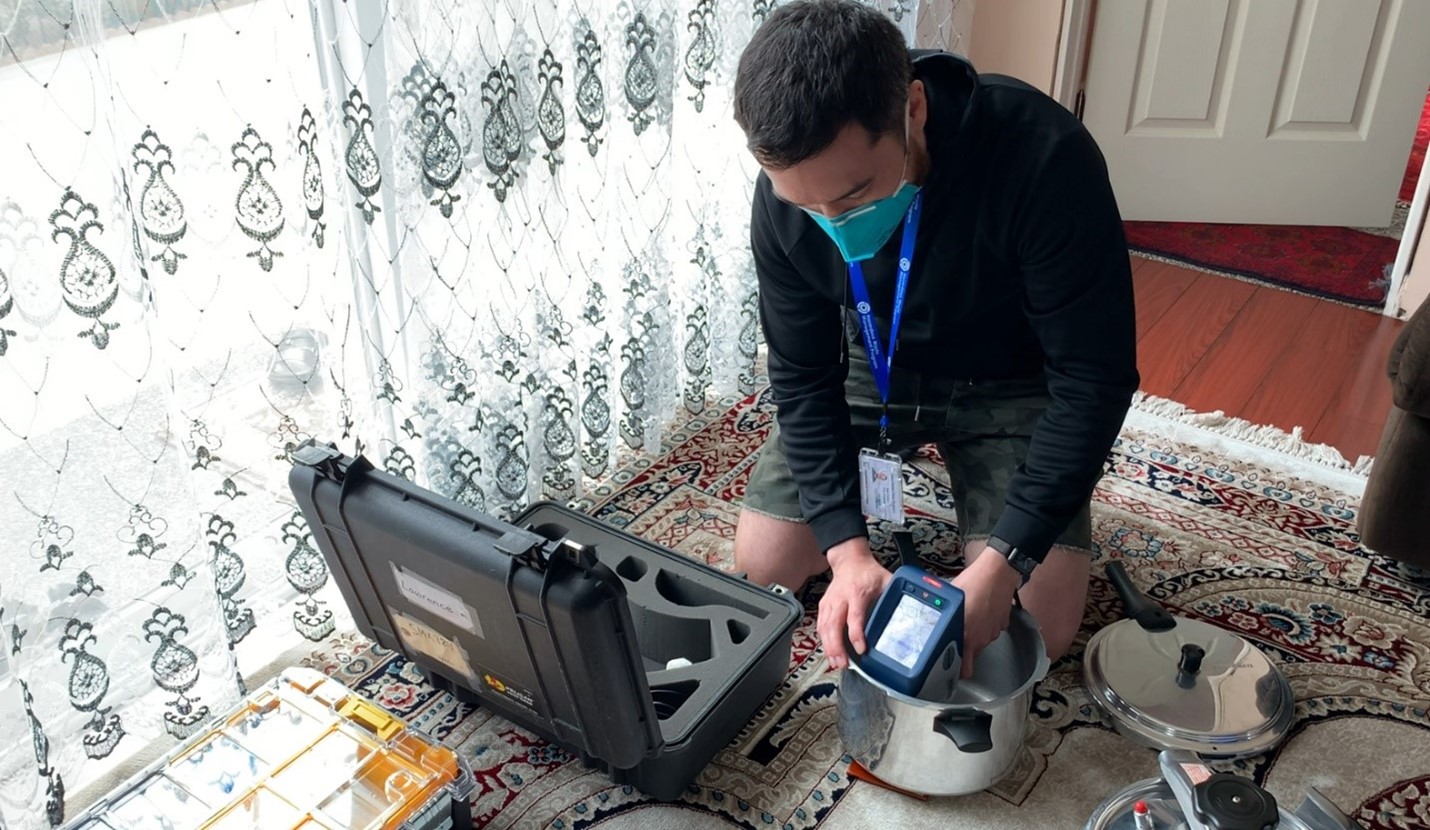
As part of ongoing efforts to reduce lead exposures and prevent lead poisoning, the Hazardous Waste Management Program in King County has tested thousands of everyday consumer products for lead.
Now, the Haz Waste Research Team has taken their years’ of collected data and created a searchable dashboard for community members to explore the findings. The tool allows residents to look up specific products and brands, learn which items to avoid, and make safer choices for their homes.
The dashboard includes nearly 700 products and will grow as the Program continues testing items. Tested products include cookware/pressure cookers, cosmetics, dishware/utensils, toys, jewelry, candy, food, incense, seasoning, and dietary supplements/medications.
Product testing helps the Program identify emerging sources of lead exposure and collaborate with community partners to raise awareness about items that may pose a risk. Products come to the Program through community lead-testing events, in-home investigations, community donations, and from direct purchases by the Program.
“Over our many years of product testing, we’ve collected an enormous amount of data on lead levels in common products,” says Katie Fellows, environmental scientist with the Haz Waste Program. “This new tool shares what we’ve learned so that families can make informed decisions when it comes to the products and brands that they purchase.”
How to use the lead dashboard:
You can search the dashboard in several ways:
- Search. Type specific brands or product names directly into the search field to narrow down the list.
- Filter by Recommended Lead Limit. Check "over" or "within" recommended lead limits to see which products met or exceeded regulatory limits.
- Filter by Product Type. Click on the types of products you are interested in, located in the lower right-hand corner of the dashboard.
Lead levels are shown in ppm (parts per million), which is a way to measure very small amounts of a given chemical. If a product is highlighted in red, it means the item has a lead concentration higher than the safety limits established by state and federal standards.
Please note that for some items, detailed product information may not be available. When products are donated or analyzed during home investigations, it is not always possible to gather complete product information.
If you have questions about the dashboard or specific products that were investigated, you can reach out to HazWasteResearch@kingcounty.gov. And, if you have feedback on your experience with the dashboard, please consider filling out this survey.
Why is lead testing important?
Lead is a naturally occurring element found in items like ceramics, lead-based paint, metal cookware, cosmetics, and more. Lead exposure can be very dangerous, especially for children and people who are pregnant or breastfeeding. Even small amounts can impact brain development in children. In adults, lead exposure can cause increased blood pressure, kidney issues, and reproductive problems.
Childhood lead poisoning is preventable, yet it remains one of the most common childhood health problems worldwide. In King County, this is especially true for immigrant and refugee children who may be at an increased risk for elevated blood lead levels due to exposure before and after they come to the United States.
The Haz Waste Program works directly with these families to identify potential sources of lead exposure in the home. By making product testing data publicly available, this new dashboard provides another tool to help families choose safer products and avoid harmful ones.
“We wouldn’t have been able to gather all of this data without the help of community members in King County,” says Fellows. “Their participation makes this work possible, so we’re excited to bring this information back to them.”
What to do if you think you or your family have been exposed to lead:
If you are concerned about lead poisoning, call your healthcare provider for a blood test.
Check out these additional resources about lead and ways to reduce exposure:
- Sources of Lead (Public Health – Seattle & King County)
- Finding Lead Sources After a High Blood Lead Test (Public Health – Seattle & King County)
- Lead Information (Washington State Department of Health)
- Lead Information (Washington State Department of Ecology)